
Archaeologists Find Evidence People Were Getting Stoned in Siberia 3 000 Years Ago
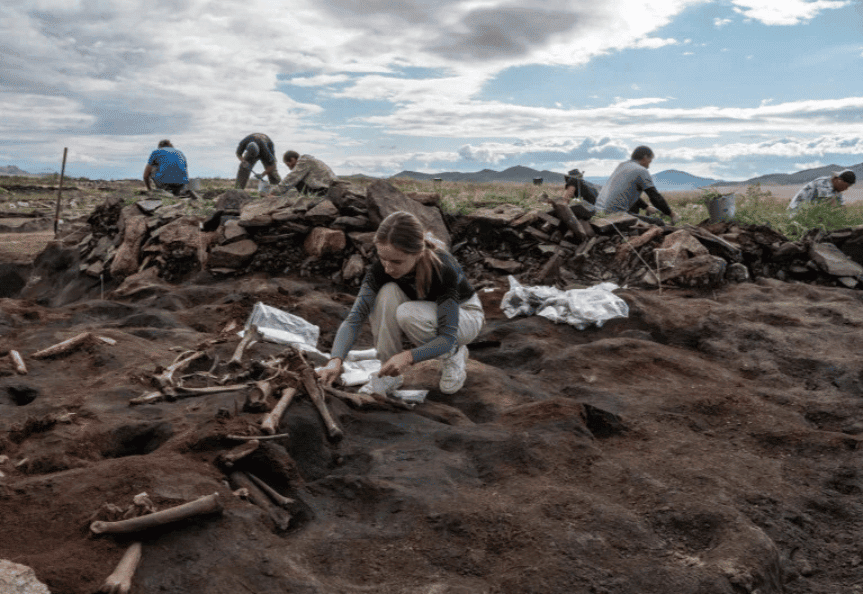
Scientists have found the earliest evidence of people consuming cannabis for psychoactive purposes in a tomb dating back almost 3,000 years. CNN reports that a ‘drug test’ carried out on preserved human hair at the tomb showed traces of THC.
Kannelix Partners with VUT to Offer Biotech Support to Southern Gauteng’s Indigenous Cannabis Growers

Two Rastafarian bio-tech researchers have partnered with the Vaal University of Technology to offer scientific support services to cannabis and hemp farmers in southern Gauteng. Their company, Kannelix, seeks to incorporate modern scientific resources to unlock commercial opportunities for indigenous growers.
Afriplex Takes Afrobotanical Plant Power to the World Stage with the Las Vegas Launch of KannaSpectrum
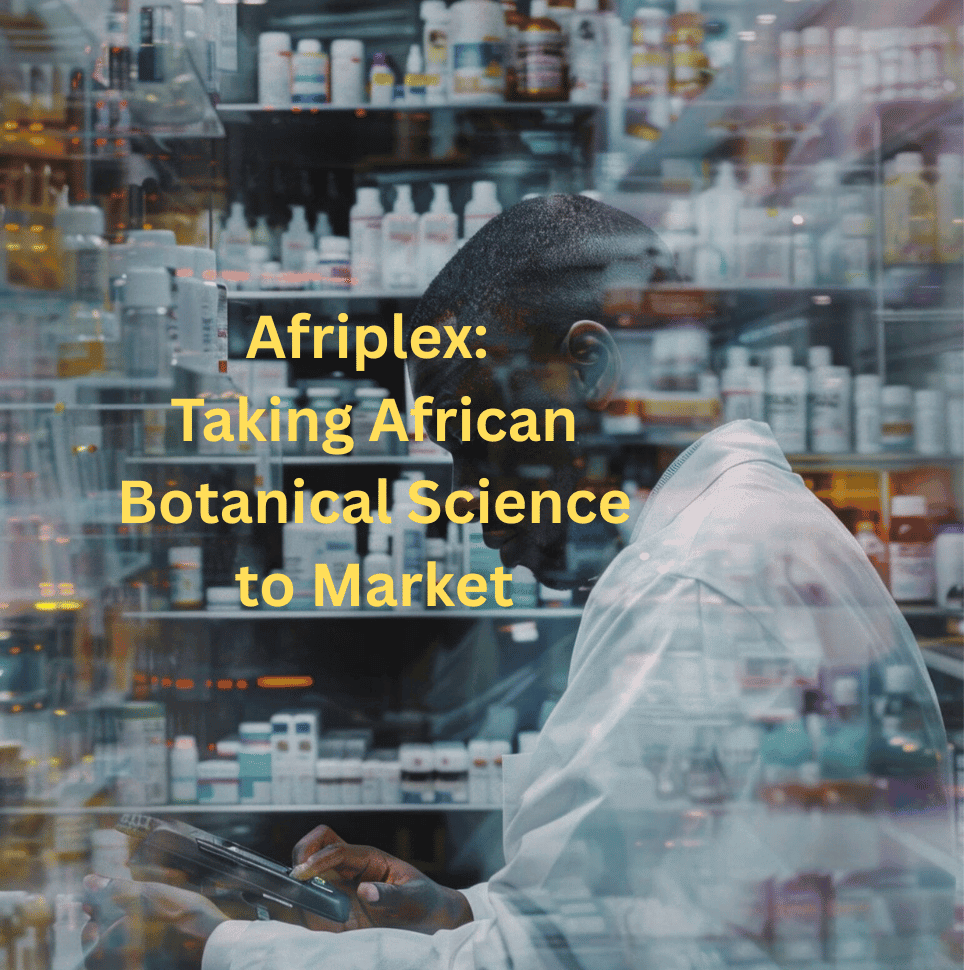
Paarl-based Afriplex has repositioned itself as an Afrobotanical extraction specialist and is launching its new flagship product, KannaSpectrum, in Las Vegas this week. KannaSpectrum is Afriplex’s standardized extract from the indigenous kanna plant and is aimed at processors of products that promote calmness and wellbeing.
TUT Working with Traditional Healers to Bridge the Divide Between Western and African Medicine
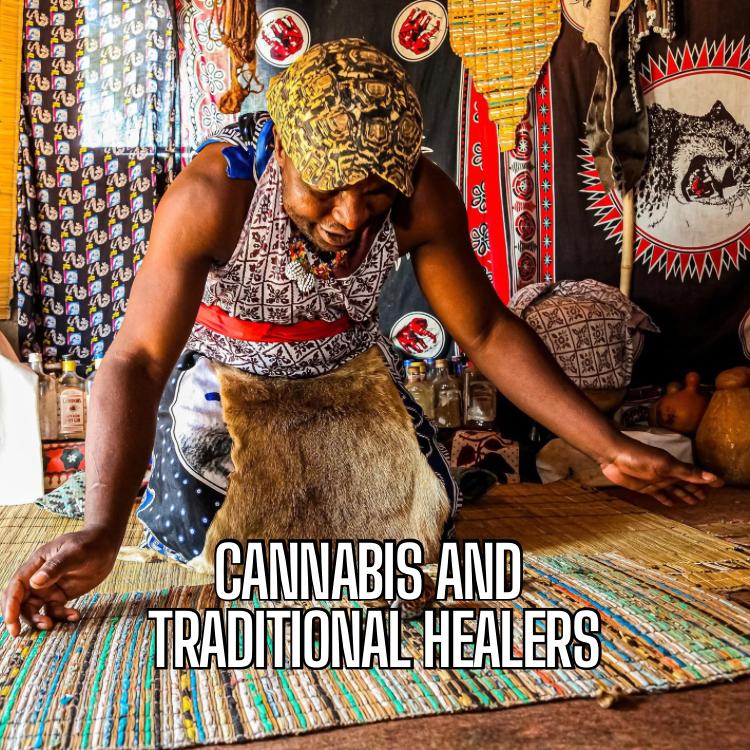
The Tshwane University of Technology is running short learning courses for traditional healers in ethical sourcing, plant medicine and patient care. Part of the course involves the use of cannabis in traditional African medicine.
The World’s Ancestral Landraces: the Genetic Foundations of Modern Cannabis
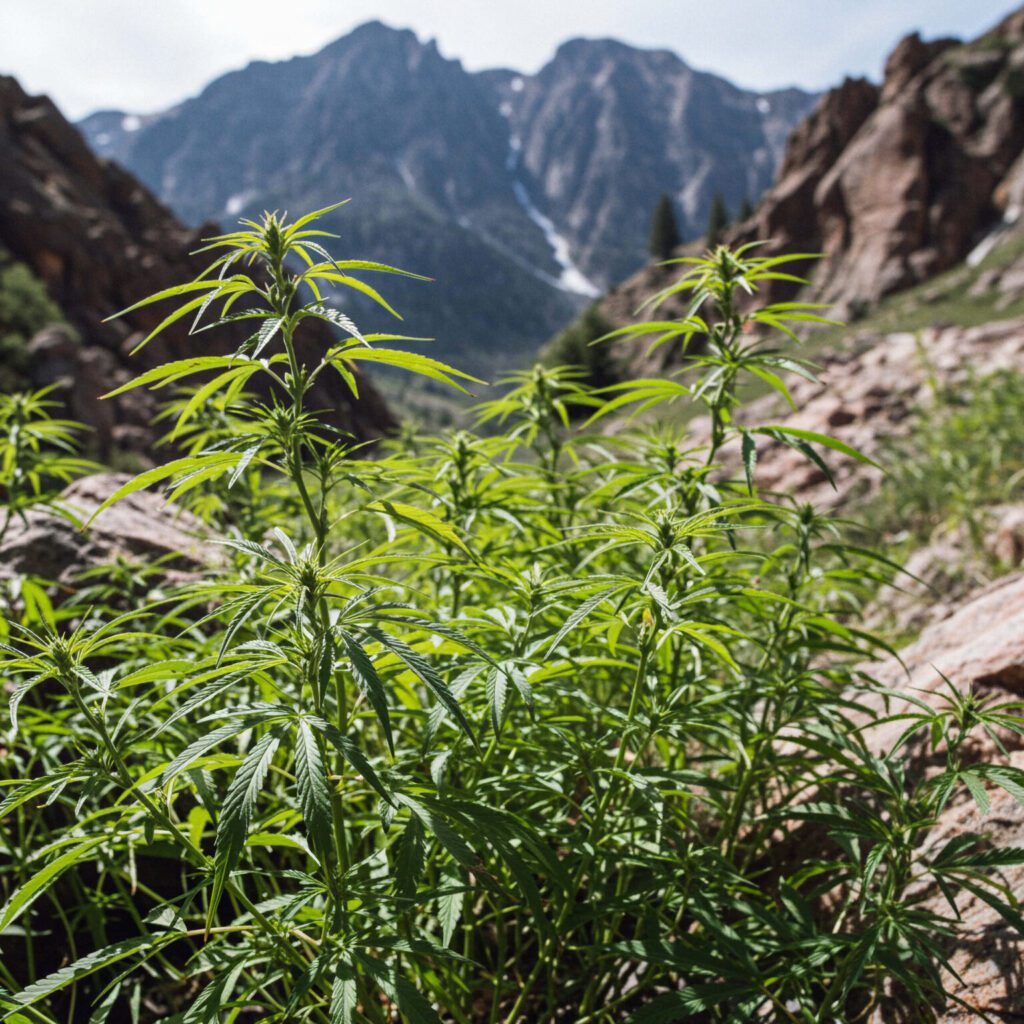
Africa is one of the six most important geographic locations for the world’s cannabis landraces which have evolved through natural selection in specific areas over centuries. They are invaluable to our understanding of the genetics of today’s commercial strains.
KZN Landraces Have High Presence of ‘Appetite Suppressing’ Cannabis Compound, THCV
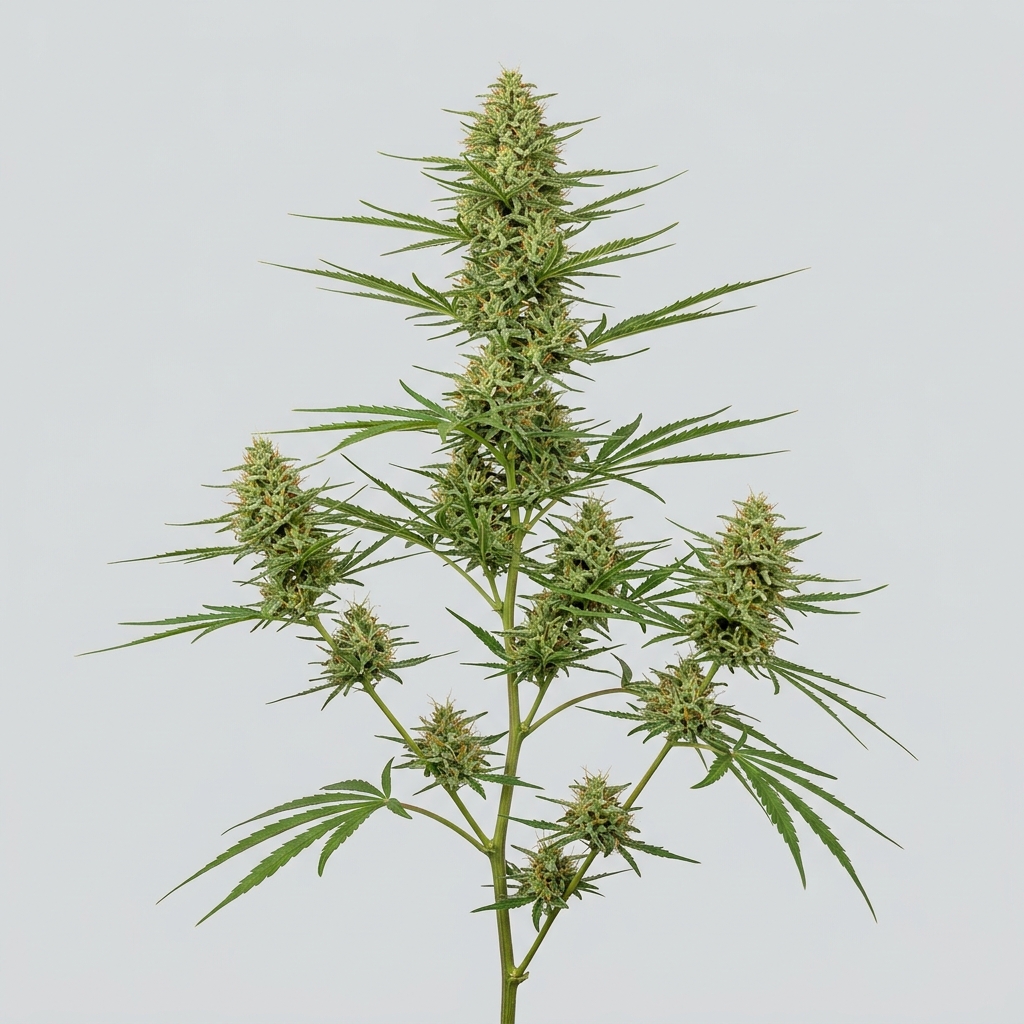
A distinctive feature of African sativas is the presence of THCV, and KwaZulu Natal is a strong candidate for THCV-forward expressions. That’s according to a deep dive by the Landrace Sativa team, who report that apart from THC, minor cannabinoids CBG and CBC also feature in what’s commonly known as ‘Durban Poison’.
African Cultural Heritage Trust Project to Reintroduce Landrace Genetics to the Communities that Lost Them
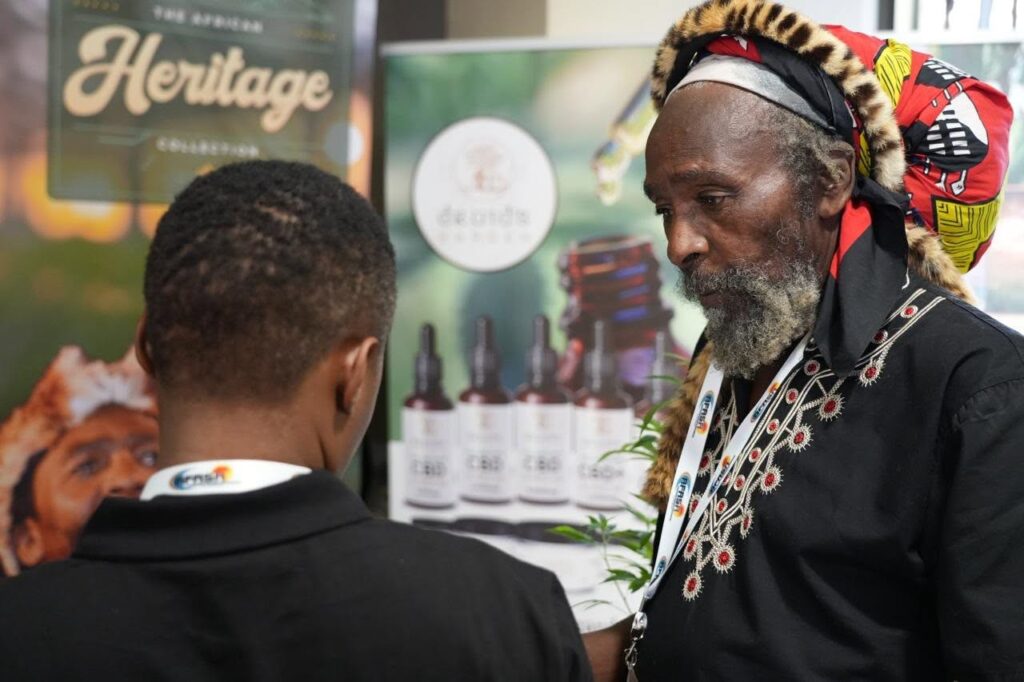
In the face of growing threats to South Africa’s landrace varieties, the African Cultural Heritage Trust has initiated a bold programme to reintroduce indigenous cannabis genetics back into the communities they came from. Working with Druids Garden, the Trust has original genetic material dating back to the late 1940’s.
TUT/CSIR Cannabis Hub’s Landrace Project: Turning Indigenous Biomass into Value-Added Products
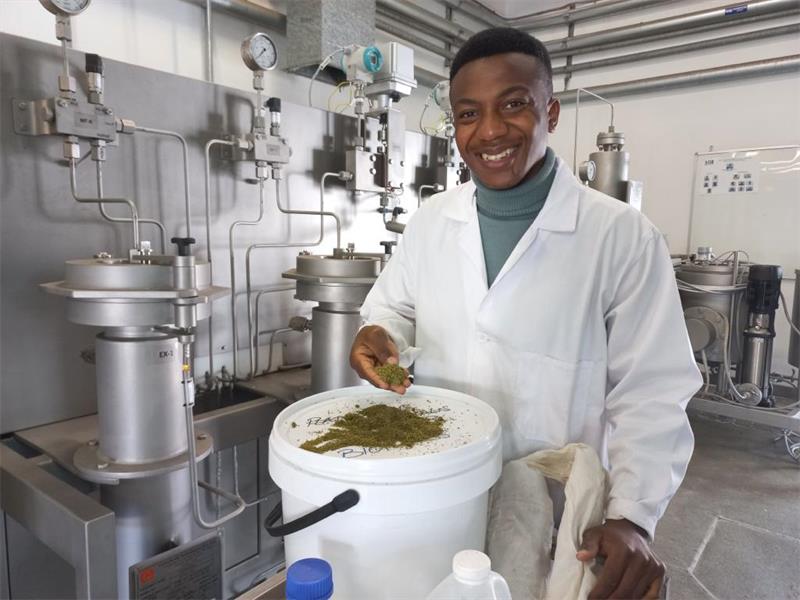
Professor David Katerere’s team at the Cannabis Hub has launched a landrace research project that seeks to document and commercialize local seed heritage. Among the Hub’s aims is to upskill indigenous farmers in agro-processing so they can add value to landrace biomass.
South Africa’s Overlooked Heritage: The Rich Medicinal Value of Our Indigenous Landraces
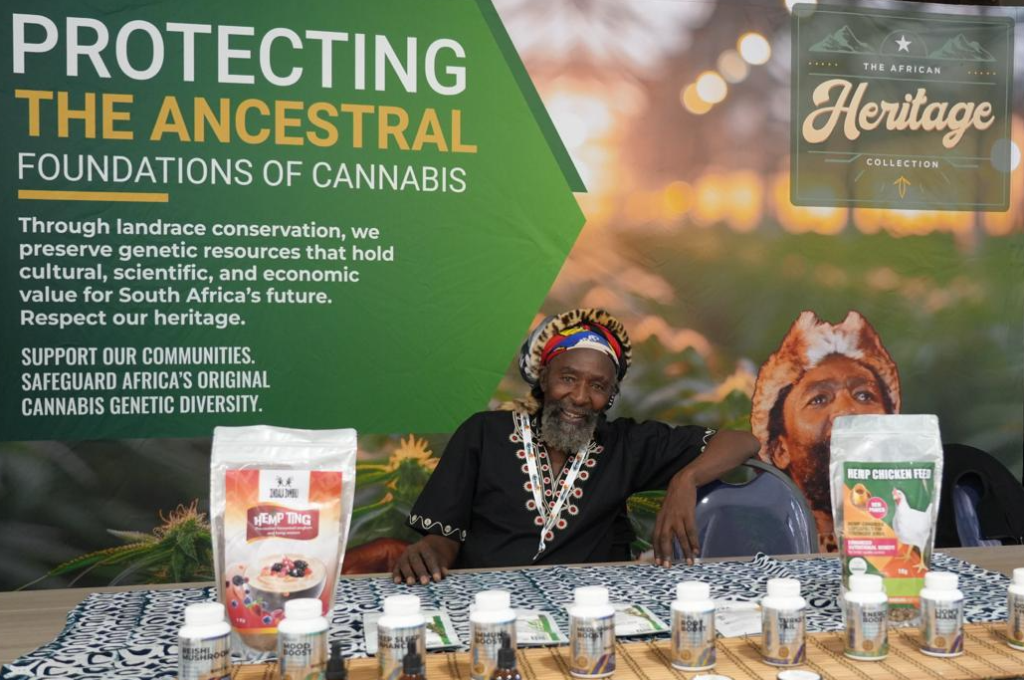
South Africa’s cannabis landraces hold significant medicinal properties that are only just being discovered. In fact, researchers are still determining how many indigenous landraces there are, with the African Cultural Heritage Trust having identified up to 40 different strains across all nine provinces.
Humans Have Been Using Mind-Altering Plant Material Since They Began Farming

Humans began regularly using psychoactive substances around the same time as they began to domesticate plants. This has emerged from dental analysis of human remains found in Indonesia, dating back around 13 000 years, which show wear-and-tear associated with the consistent chewing mind-altering betel nuts.