This report by Karen Kekelik from Indigrow Craft Cultivation, first published 6 March 2026.

In the modern cannabis landscape dominated by countless hybrid strains with creative names and complex genetic lineages, landrace strains represent something fundamentally different—cannabis genetics shaped by natural selection in specific geographic regions over centuries or millennia. These pure, regionally adapted strains form the genetic foundation of every cannabis variety cultivated today, making them invaluable to understanding the plant’s diversity and potential.
Landrace strains developed in isolation within particular regions—Afghanistan’s mountains, Thailand’s jungles, Colombia’s highlands, Jamaica’s valleys—adapting to local climate, soil, pests, and growing conditions through natural and human selection. Unlike modern hybrids bred intentionally in controlled environments, landrace genetics emerged through evolutionary processes that optimized plants for survival and productivity in specific ecosystems.
The term “landrace” comes from agricultural science, describing locally adapted crop varieties that evolved in particular regions. Cannabis landraces carry names reflecting their geographic origins: Afghan Kush from Afghanistan’s Hindu Kush mountains, Thai from Thailand’s tropical regions, Colombian Gold from Colombia’s mountains, Durban Poison from South Africa’s port city. These names aren’t marketing but literal descriptions of where these genetics originated and evolved.
What distinguishes landrace strains from modern hybrids extends beyond their geographic purity. Landraces exhibit remarkable genetic stability because they’ve reproduced within isolated populations for generations, creating uniform characteristics that breed true. When you grow seeds from a landrace strain, the resulting plants closely resemble their parents and each other—a consistency absent in many modern hybrid crosses that show significant phenotypic variation.
Understanding landraces matters for several reasons. They preserve genetic diversity increasingly threatened by commercial breeding focused on narrow trait sets. They offer unique cannabinoid and terpene profiles difficult to find in modern hybrids. They provide glimpses into cannabis’s natural adaptability and the plant’s relationship with different human cultures. And they supply the genetic raw material that breeders use to create new varieties with desired characteristics.
Geographic overview of primary landrace origins
Afghanistan and Pakistan produced some of cannabis’s most influential landrace genetics, particularly the Indica varieties that dominate modern cannabis breeding. The Hindu Kush mountain range’s harsh conditions—cold temperatures, short growing seasons, intense sunlight—selected for compact, bushy plants that flower quickly and produce dense, resinous buds protecting against environmental stresses.
Afghan Kush and other Central Asian landraces exhibit the classic Indica characteristics: short stature, broad leaves, thick stems, fast flowering times, and high resin production. The harsh mountain environment favored plants maximizing resin production for protection against UV radiation, temperature extremes, and herbivores. These genetics also evolved potent sedative properties and earthy, hashy aromas that define traditional cannabis experiences.
Thailand, Cambodia, and Southeast Asia developed Sativa landraces adapted to tropical conditions. These regions’ warm temperatures, high humidity, and long growing seasons produced tall, stretchy plants with narrow leaves that maximize airflow and light penetration in dense jungle environments. Thai, Cambodian, and Vietnamese landraces flower slowly, taking advantage of equatorial latitude that provides consistent day length year-round.
Southeast Asian landraces are renowned for energizing, cerebral effects and complex terpene profiles featuring sweet, fruity, and spicy notes. Their lengthy flowering times and challenging cultivation requirements make them less commercially viable than fast-finishing hybrids, but their unique effects and flavors make them invaluable to breeders and enthusiasts seeking distinctive experiences.
Jamaica contributed legendary Sativa landraces shaped by the Caribbean island’s tropical climate and strong cannabis culture. Jamaican landraces adapted to warm, humid conditions with consistent growing seasons, developing resistance to mold and pests while producing uplifting, creative effects aligned with the island’s cultural cannabis use.
Colombia, Mexico, and Central America were home to numerous Sativa landraces that profoundly influenced American cannabis culture. Colombian Gold, Acapulco Gold, and Panama Red became legendary for quality and effects during the 1960s-70s when most American cannabis came from these regions. These landraces evolved in mountainous tropical conditions, developing sweet, fruity terpene profiles and energizing effects.
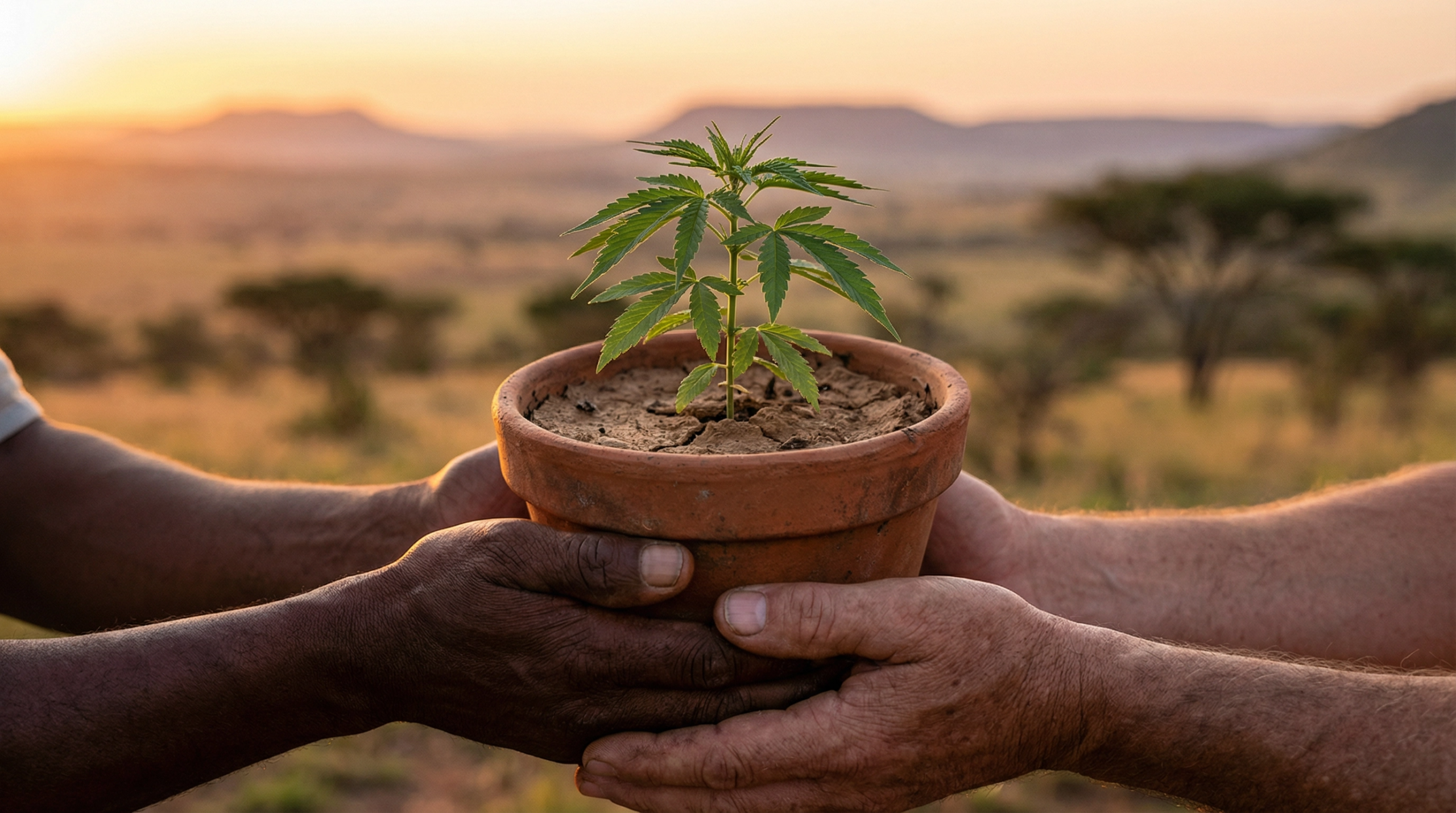
Africa produced diverse landraces across the continent. South Africa’s Durban Poison is perhaps the most famous, known for sweet anise aromas and stimulating effects. Malawi, Kenya, and other East African regions contributed tall, productive Sativa landraces, while North African countries like Morocco developed plants suitable for hashish production.
India and Nepal occupy unique positions in cannabis history, with the plant deeply embedded in spiritual and cultural practices. These regions’ landraces range from towering Sativa varieties in southern regions to compact Indica types in northern mountains. Indian and Himalayan genetics contributed significantly to modern hybrid development, offering diverse characteristics from various microclimates and traditional cultivation methods.
Why maintaining landrace genetics matters
Landrace preservation isn’t nostalgia or historical curiosity—it’s essential for cannabis’s genetic future and continued improvement. These original strains contain genetic diversity that represents millions of years of evolution and thousands of years of human selection, creating a gene pool far broader than what commercial breeding has explored.
Modern cannabis breeding creates genetic bottlenecks by repeatedly crossing limited numbers of elite clones and popular hybrids. While this produces plants with desired characteristics like high THC content or specific flavors, it narrows the overall gene pool, reducing diversity that might prove valuable for future breeding goals or changing market preferences. Landraces preserve alternatives—genetic pathways not taken in modern breeding but potentially valuable for future development.
Disease and pest resistance represents a crucial value in landrace genetics. These strains evolved in natural environments facing real pathogen and pest pressures, developing resistance mechanisms that modern indoor-bred hybrids lack. As cannabis cultivation expands and faces new agricultural challenges, landrace resistance genetics could prove invaluable for breeding varieties that thrive without heavy pesticide use.
Climate adaptation in landraces offers genetic solutions for cultivation in diverse environments. Afghan landraces handle cold and short seasons. Thai varieties thrive in heat and humidity. Jamaican types resist mold in wet conditions. As outdoor and greenhouse cultivation expand, these natural adaptations become increasingly valuable for sustainable production in varied climates without energy-intensive environmental control.
Novel cannabinoid and terpene profiles exist in landrace strains that commercial breeding hasn’t fully explored. While modern breeding emphasizes THC content, landraces often feature different cannabinoid ratios and terpene profiles creating unique effects and flavors. Some traditional strains produce significant amounts of minor cannabinoids like THCV, CBD, or CBG that are gaining recognition for specific properties.
Complications in maintaining and verifying landrace genetics
Preserving authentic landrace genetics faces numerous challenges in the modern cannabis industry. The same globalization and breeding activity that created today’s diverse cannabis market also threatens landrace integrity through genetic contamination, misidentification, and habitat loss.
Cross-contamination represents the most immediate threat to landrace purity. Cannabis is wind-pollinated, meaning pollen travels considerable distances. When modern hybrid males grow near landrace females, cross-pollination occurs, introducing foreign genetics that compromise landrace purity. Even in source regions, imported hybrid genetics are contaminating traditional landrace populations as growers seek higher THC content or faster flowering times.
Geographic displacement complicates landrace cultivation. Many enthusiasts grow supposed landraces far from their native environments, but plants adapted to specific conditions may not express the same characteristics elsewhere. A Thai landrace grown indoors or in temperate climates might not develop the same terpene profile or effects it exhibits in tropical Thailand. This environmental influence makes it difficult to preserve not just landrace genetics but their complete expression.
Misidentification and mislabeling plague landrace marketing. Many strains sold as “landrace” are actually stabilized hybrids or completely different varieties. Without genetic testing or verification of seed sources, consumers have little way to confirm authenticity. Commercial incentives to market exotic “landrace” strains encourage dubious claims that undermine legitimate preservation efforts.
Political instability and prohibition in many landrace source regions hinder documentation and preservation. Afghanistan, Colombia, and other countries with rich cannabis heritage have experienced conflict and drug war enforcement that disrupted traditional cultivation and threatened genetic preservation. While some organizations work to preserve these genetics, political and legal barriers complicate their efforts.
The economic challenges of working with landraces discourage commercial preservation. Landraces often have characteristics commercial growers consider disadvantages—long flowering times, lower THC content than modern hybrids, challenging cultivation requirements, or unstable genetics showing variation. These factors make landraces less profitable than modern varieties, reducing commercial incentive for preservation.
How breeders use landrace genetics
Despite preservation challenges, landrace genetics remain invaluable to modern cannabis breeding. Skilled breeders regularly incorporate landrace genetics into hybrid development, seeking specific traits, genetic diversity, or novel characteristics that pure hybrid lines can’t provide.
Introducing vigor and hardiness represents a common use of landrace genetics. Inbred hybrid lines sometimes develop genetic weaknesses—reduced vigor, pest susceptibility, or environmental sensitivity—that outcrossing to landrace genetics can remedy. The genetic diversity landraces carry often improves offspring health and resilience.
Terpene hunting motivates many breeders to work with landraces. While modern hybrids often feature fruity or dessert-like terpene profiles, some consumers and medical patients seek the earthy, spicy, or piney aromas characteristic of traditional landraces. Breeding programs incorporate landrace terpene profiles into modern genetics, creating hybrids with both contemporary appeal and traditional character.
Cannabinoid ratio breeding increasingly values landrace genetics. As interest grows in CBD, CBG, THCV, and other minor cannabinoids, breeders turn to landraces that naturally produce these compounds. Traditional African and Asian strains with naturally occurring THCV or balanced THC:CBD ratios provide genetic foundations for developing therapeutic varieties.
Adaptation breeding for outdoor cultivation benefits from landrace genetics evolved for outdoor success. As sustainable cultivation emphasizes outdoor and greenhouse growing, landraces adapted to natural conditions offer valuable traits for developing varieties that thrive without climate control. Cold-hardy Afghan genetics or heat-tolerant equatorial varieties provide templates for regionally appropriate outdoor strains.
Practical guidance for cultivating landrace genetics
Cultivating landrace strains successfully requires understanding their natural environments and adapting cultivation practices to accommodate their specific requirements. These strains weren’t bred for indoor grow rooms or short growing seasons, so they often need different approaches than modern hybrids.
Sativa landraces present particular challenges for indoor cultivation. Their height, long flowering times, and preference for consistent warm temperatures make them difficult in standard indoor setups. Many growers find these strains better suited to outdoor or greenhouse cultivation in warm climates where they can express their full potential. Indoor cultivation requires training techniques to manage height and extended flowering periods that increase costs.
Indica landraces adapt more readily to indoor cultivation, though they too perform best when their native conditions are approximated. Afghan varieties appreciate cool nighttime temperatures mimicking their mountain origins, while maintaining low humidity prevents mold in their dense flowers. These strains typically finish faster than Sativa landraces but may not require the intense light and nutrients that modern hybrids demand.
Outdoor cultivation allows landraces to express characteristics that indoor environments suppress. When grown in climates similar to their origins, landraces often reveal their full terpene complexity, growth patterns, and effects. A Thai landrace might struggle indoors but flourish in Florida or Hawaii’s tropical conditions.
Patience becomes essential when working with landrace genetics, particularly Sativa varieties. Where modern hybrids might finish flowering in 7-9 weeks, traditional Sativas can require 12-16 weeks or longer. This extended timeline demands patience but often rewards growers with unique effects and flavors impossible to achieve with fast-finishing hybrids.
Looking ahead at preservation and utilization
Landrace preservation faces an uncertain future as commercial breeding continues emphasizing modern hybrids while source regions experience ongoing disruption. However, growing awareness of genetic diversity’s value and increasing numbers of dedicated preservationists offer hope for these irreplaceable genetics.
Seed banks and preservation organizations are systematically collecting and maintaining landrace genetics from around the world. These efforts document strains, preserve seeds in long-term storage, and make genetics available to breeders and researchers. While challenges remain, institutional preservation provides security that commercial breeding alone cannot offer.
Modern genetic analysis tools enable better authentication and characterization of landrace strains. DNA testing can verify genetic purity, identify unique markers, and trace lineages. This technology helps preserve authentic genetics while exposing mislabeled or contaminated samples.
Education about landrace value encourages consumer support for preservation. As more people understand these strains’ historical significance and genetic importance, market demand for authentic landraces may increase, creating economic incentives for preservation and cultivation.
The craft cannabis movement’s emphasis on diversity, heritage, and unique experiences aligns well with landrace appreciation. Small-scale cultivators focused on quality over quantity are well-positioned to maintain landrace genetics and educate consumers about their value.
For the cannabis community, supporting landrace preservation means seeking authentic genetics, growing these strains when possible, and choosing craft producers who maintain genetic diversity. It means valuing these strains not just for what they are now but what they represent—our connection to cannabis’s deep history and the genetic potential for its future.