
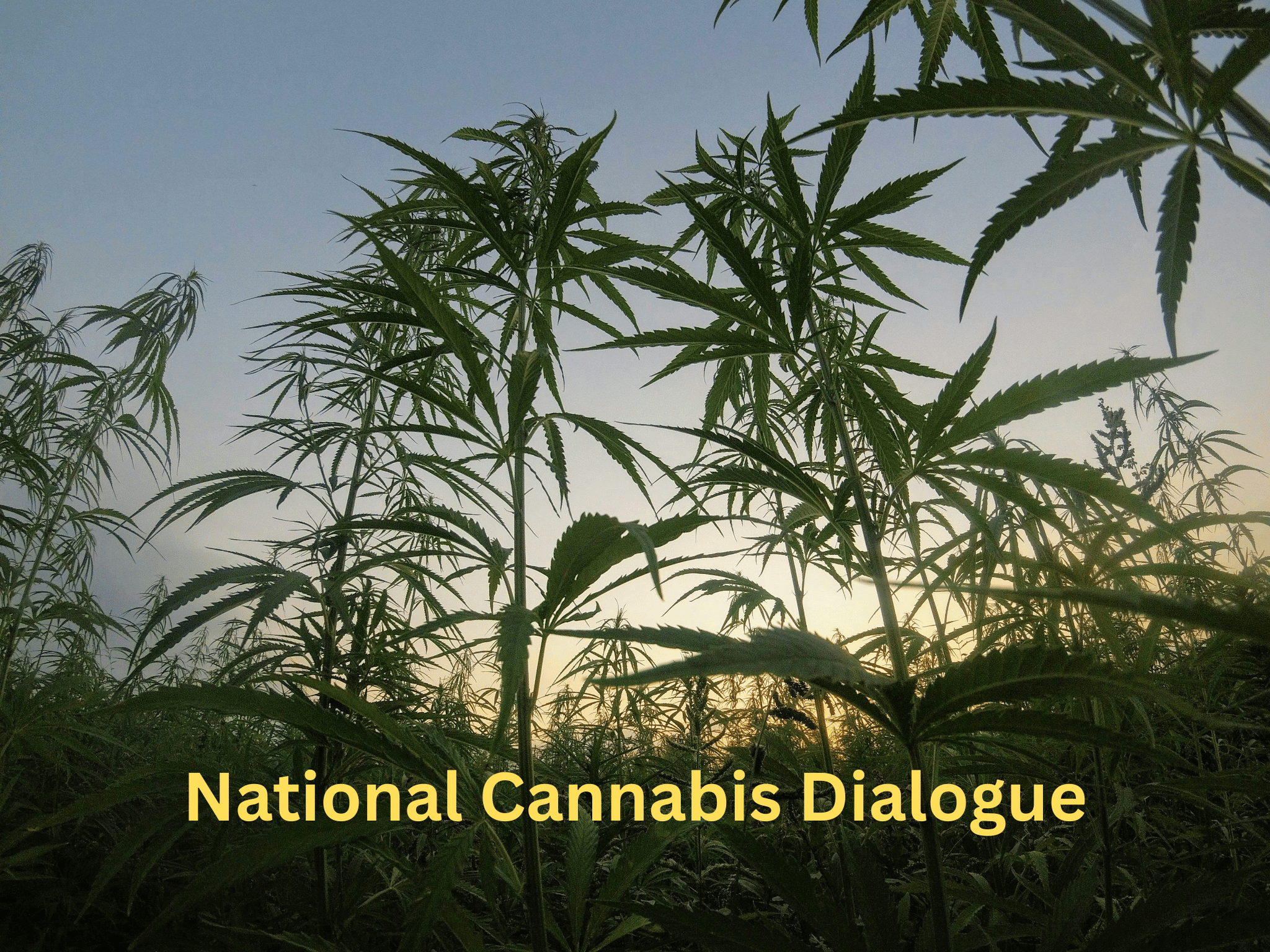
The Cannabis and Hemp Sector National Dialogue will seek to strike consensus on the operationalisation of regulations, law enforcement, Indigenous Knowledge Systems (IKS) input and education among others, against a backdrop of regulatory opacity, exclusion and undue criminalisation. These are some of the key issues the dialogues will try to begin resolving.

Regulatory Clarity
A prolonged grey zone continues to cast a pall on the industry on matters including trade, which technically is prohibited in terms of the Consumer for Private Purposes Act (CfPPA) 2024 as well as allowable consumer amounts, number of plants per household allowed and the legality around them. Rastafarians and traditionalist adherents have especially been hamstrung by amount limitations they say are impractical to rituals’ observance. The same applies to cannabis cafés and mallside retailers, checked back by an air of uncertainty.
Law enforcement
Unlawful arrests have made a mockery of the CfPPA, one of the main reasons Cannabis Development Council of South Africa Chairperson Ras Gareth Prince earlier this year returned to court to force government to recognise cannabis rights. Consumer and law enforcement ignorance of regulations and rights is also a recurrent problem. An SA Human Rights Council (SAHRC)-mediated August 2023 cannabis arrests moratorium is still technically in place but has all but been flouted. In terms of this provision, cannabis arrests were to be suspended pending inauguration of binding regulations.
Stakeholder empowerment
Recognition and acknowledgement of legacy practitioners’ heritage, Rastafari religious rights, businesses’ freedom and right to trade and communities’ right to earn a livelihood have all come under the spotlight. Township traders, legacy growers and commercial entities have endured harassment, raids and undue arrests, and been barred from enjoying the fruits of decriminalization.
Indigenous Knowledge Systems
Custodians of landrace heritage wealth need support in the preserving and patenting of local varieties to ensure their and industry sustainability. Support for initiatives including Phakisa sandbox and Indlela deemed vital to ensure these vital roleplayers who nursed the industry during prohibition are not left behind. There’s therefore urgent need to place township and rural roleplayers on a firm survival footing.
Education
Consumers, traditional stakeholders and law enforcement have emerged as leading sectors where knowledge of regulations and their application could make an enormous difference. Much as consumers’ and stakeholders’ empowerment is dependent on their knowledge and education, occasional law enforcement ignorance on regulations’ implementation and enforcement has led to unnecessary and unprosecutable arrests and remains a violence flashpoint as well.





