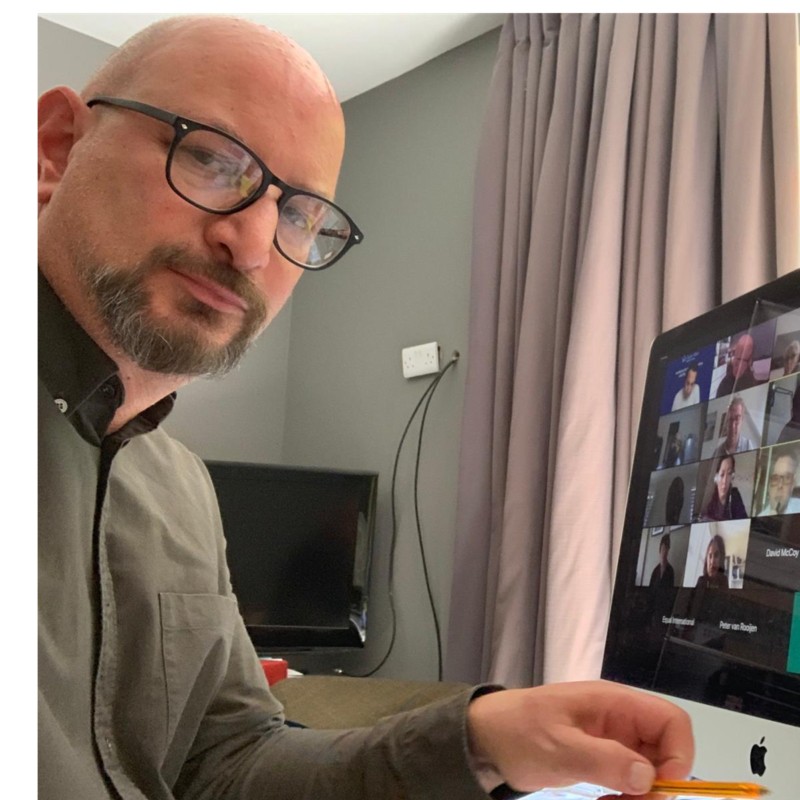
Pictured here: Anton Ofield-Kerr of AKOS BIO and the Cannabis Crisis Coalition: ‘Time to ramp up the pressure’

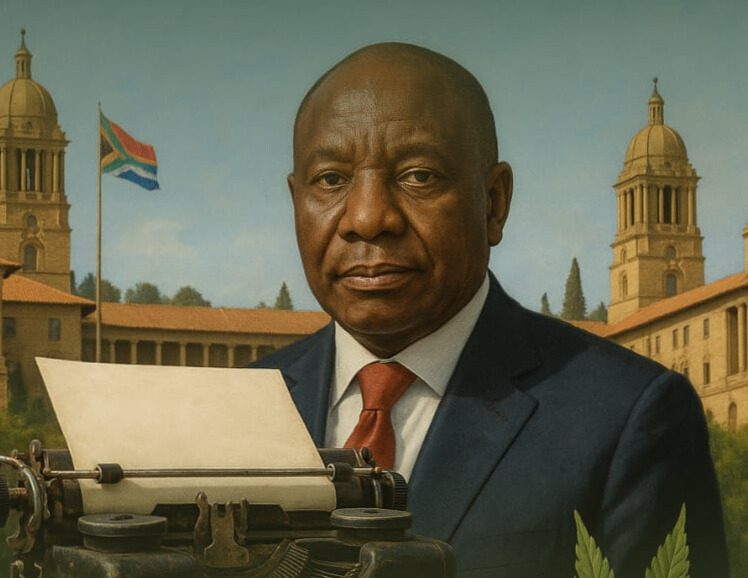
Cannabis stakeholders are appealing to President Cyril Ramaphosa to show leadership and pull government departments into alignment as South African cannabis reform goes off the rails. The Cannabis Crisis Coalition (CCC) is writing an open letter to the President proposing seven steps the Government needs to implement in order to get the process back on track.
Industry frustration was palpable at a cannabis crisis summit webinar attended by just over 200 participants on Monday, 2 November 2026, where the extent of the crisis was laid bare.
‘At the heart of the crisis is that we have a constitutional right to privately grow, possess and consume cannabis but government has criminalized all pathways to accessing that right. It’s an absurd situation” says Cannabiz Africa publisher Brett Hilton-Barber, who introduced the webinar. “And what’s worse, is that there is still no solution forthcoming from government’s side”.
The webinar was organized by the recently-formed Cannabis Crisis Coalition, a grouping of stakeholders who are experiencing regulatory blockages across three main access pathways: medical cannabis, general adult-use and manufacturing. The driving force behind the formation of the coalition is Anton Ofield Kerr, CEO of AKOS Bio, one of the medical service providers most severely hit by SAHPRA’s unilateral decision to stop processing all Section 21 applications and reapplications.
“The immediate solution is to increase the pressure on government to act” says Ofield-Kerr. The first step in this direction has been the drafting, by Fields of Green for All’s Myrtle Clarke, of a letter to the President, appealing for urgent intervention in getting his departments to fulfil their mandates.
The letter has been widely circulated among cannabis stakeholders with the aim of getting 500 signatures by 4 November 2026 before it is submitted to the Presidency. These are the key demands which the CCC wants the Presidency to address as a matter of urgency.
- Finalise and publish the CfPPA regulations, taking account of public submissions, and establish a clear timetable for parliamentary approval and commencement.
- Implement the consequential legislative amendments, including those affecting the Drugs and Drug Trafficking Act, to establish legal certainty.
- Ensure constitutionally compliant policing, with clear national directives, training and accountability for unlawful harassment, confiscation and corruption.
- Require SAHPRA to urgently restore effective Section 21 access, enabling doctors to continue treating patients with serious, treatment-resistant conditions without unnecessary interruption.
- Establish a regulatory category for quality-assured cannabinoid medicines, enabling appropriately manufactured South African products to be registered, prescribed, dispensed and considered for reimbursement under applicable healthcare arrangements.
- Develop an inclusive commercial framework, including regulated cultivation and supply for the private-use market, appropriate quality standards, and meaningful participation by traditional growers and small enterprises.
- Coordinate implementation across government, with clear departmental responsibilities, measurable milestones and transparent public reporting.
The webinar was precipitated by a unilateral decision by the South African Health Products Regulatory Authority (SAHPRA), to stop all legal access to medical cannabis. SAHPRA has did not respond to a request to appear on the webinar and neither has it responded to numerous requests from clarity, including News 24.
SAHPRA’s decision to halt authorizations of cannabis prescriptions under Section 21 of the Medicines Act, believed to have taken place in mid-July, has created confusion and uncertainty, which has been heightened by the publication of a leaked SAPS memo last week. The widely circulated directive from Gauteng’s Police Commissioner’s office, instructed officers to begin a clampdown on illegal cannabis outlets, using the Drugs and Drug Trafficking Act as a basis for prosecution. This is despite a recent statement from the Justice Department which confirmed the removal of cannabis from the schedules of the Drugs Act was imminent and would happen automatically with the publication of the final regulations of the Cannabis for Private Purposes Act 2024.
It’s unclear what impact the SAPS directive will have on the Western Cape High Court’s instruction for a settlement between the state and Gareth Prince and other applicants behind the urgent moratorium to halt cannabis-related arrests. Prince says the discussions are confidential and that there should be a conclusion to the settlement talks before the matter is due again in court on 16 November 2026.
What is clear is that the SAPS directive undermines efforts by the the Department of Trade, Industry and Competition (DTIC) and the Department of Small Business Development, which are seeking interim licensing solutions to manage the ‘Grey Zone’ ahead of a legislated commercial framework..
Concluding excerpt from the letter:
“We are not asking for an absence of regulation. We are demanding effective regulation.
“We want laws, standards, accountability, public health protection, human rights, economic opportunity and legal certainty. Above all, we want an end to the confusion, conflict and unnecessary harm that have persisted for far too long.
The overwhelming majority of our community wants to live, work, cultivate, access medicine and participate responsibly in a lawful, properly regulated environment.
We have solutions. We have expertise. We are ready to contribute. Government must now act.”
The CCC has requested the Presidency give the issue urgent attention and respond within 14 days.
Click here to sign the letter by 4 November 2026.
#