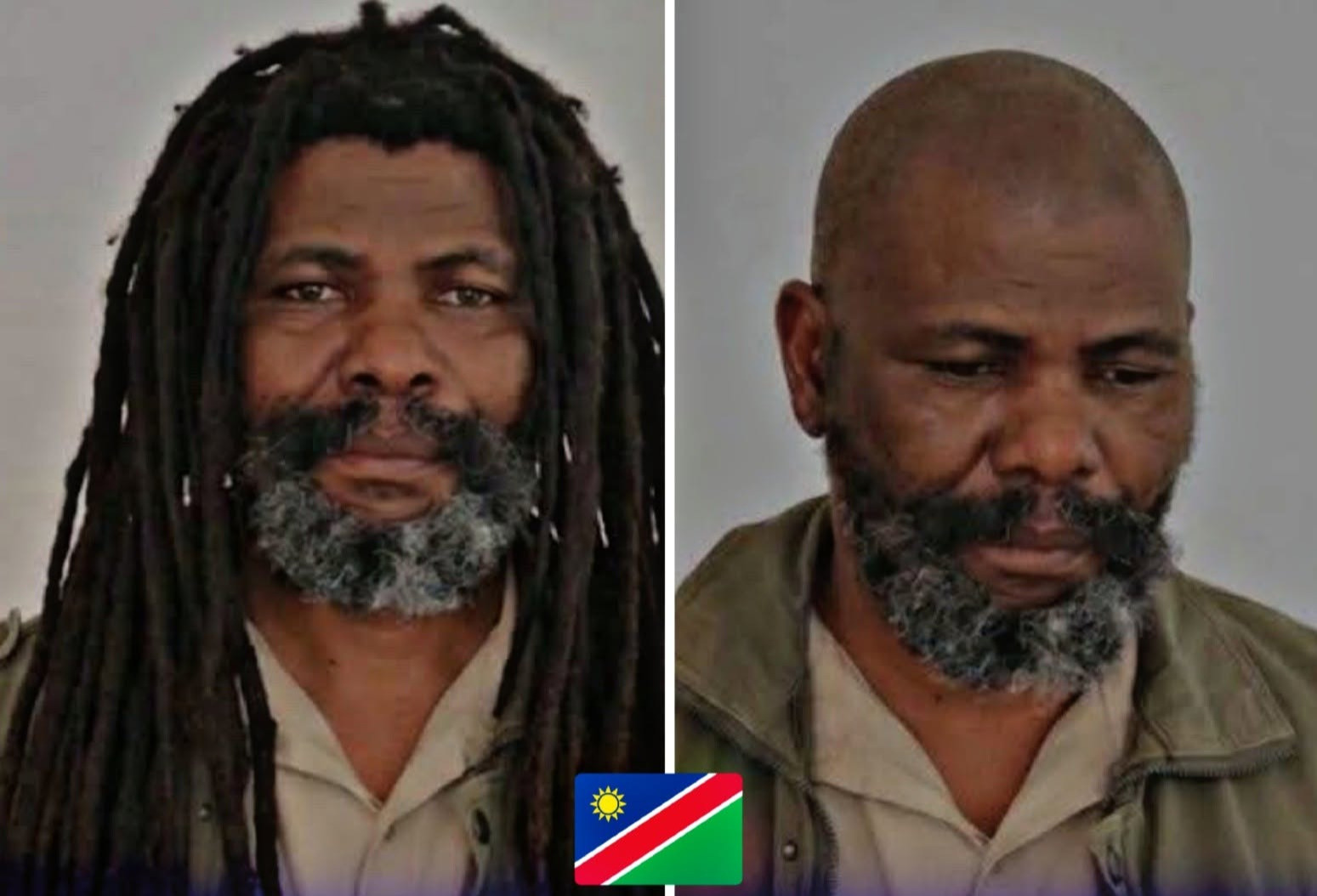
Prominent Namibian Rastafari Brian Jaftha says impairing someone’s dignity should come at a cost so as to deter others who may be tempted to do so. The Ganja Users of Namibia (GUN) president feels his dignity was robbed when his dreadlocks were shaved off in prison, and now he’s gone to the Windhoek High Court seeking damages.

Jaftha is suing Namibian prison authorities for N$1.3 million (1N$ = 1 ZAR) for the violation of his constitutional and religious rights during his time as a Windhoek prison inmate. This stemmed from his 2023 arrest and conviction for possession of 91 grams of cannabis in a sting operation in the Namibian capital, a crime for which he went on to serve almost two years.
Speaking to Augetto Craig on the popular “1 Up 2 Up” Evening News Review television talk show on 17 November 2026, Jaftha said he’s seeking financial damages to send out a message about the importance of dignity. ”A human being without dignity is nothing,” the Rasta United Front (RUF) of Namibia president argued.
“It’s not about the money. It’s about your dignity. The hair can grow. If your dignity is stripped by the state, it does not grow back so easily,” Jaftha said, adding: “The state had a duty to protect me. Instead the state cut my dreadlocks just on arrival, before I could put on prison clothes.”
He added that he was pleased that the case was being heard by noted human rights-inclined Justice David Mangota. The acting judge among others struck down corporal punishment in his native Zimbabwe nine years ago, said Jaftha, which he stated gave him hope the case would go in his favour.
“I want Justice Mangota to set out that even if you’re in prison, you still have your God, you still have your dignity,” Jaftha said. The case should also be viewed against the backdrop of “the ashes of colonialism and apartheid” from which Namibia rose as a nation, he said. “I put in the money so that they should know that [dignity] is costly. It’s currency”.
He also dismissed as unwarranted authorities’ charges that the cutting off of his hair was done in accordance with security and hygiene purposes. That provision was on its own merit discriminatory because women inmates were not compelled to cut their hair but were just as equally capable of escaping from prison as male inmates, Jaftha pointed out. “It’s about discrimination on the basis of sex and religion.”
“Our dreadlocks are our prayer, it’s our identity. Cutting it, they did not cut my hair, they cut my faith,” explained Jaftha, adding that he had submitted to his locks being cut under protest but had been careful not to physically resist “a lawful order from an officer of the land”.
“My dreadlocks are not a fashion; it’s a covenant, it’s a vow that I made to Jah Rastafari,” he reiterated.
#