Government could support the emerging cannabis and hemp sector in the Free State through funding, technical investment and matching off-takes to actual production.
But unfortunately that’s not happening because government plans to not take into account grassroots realities.
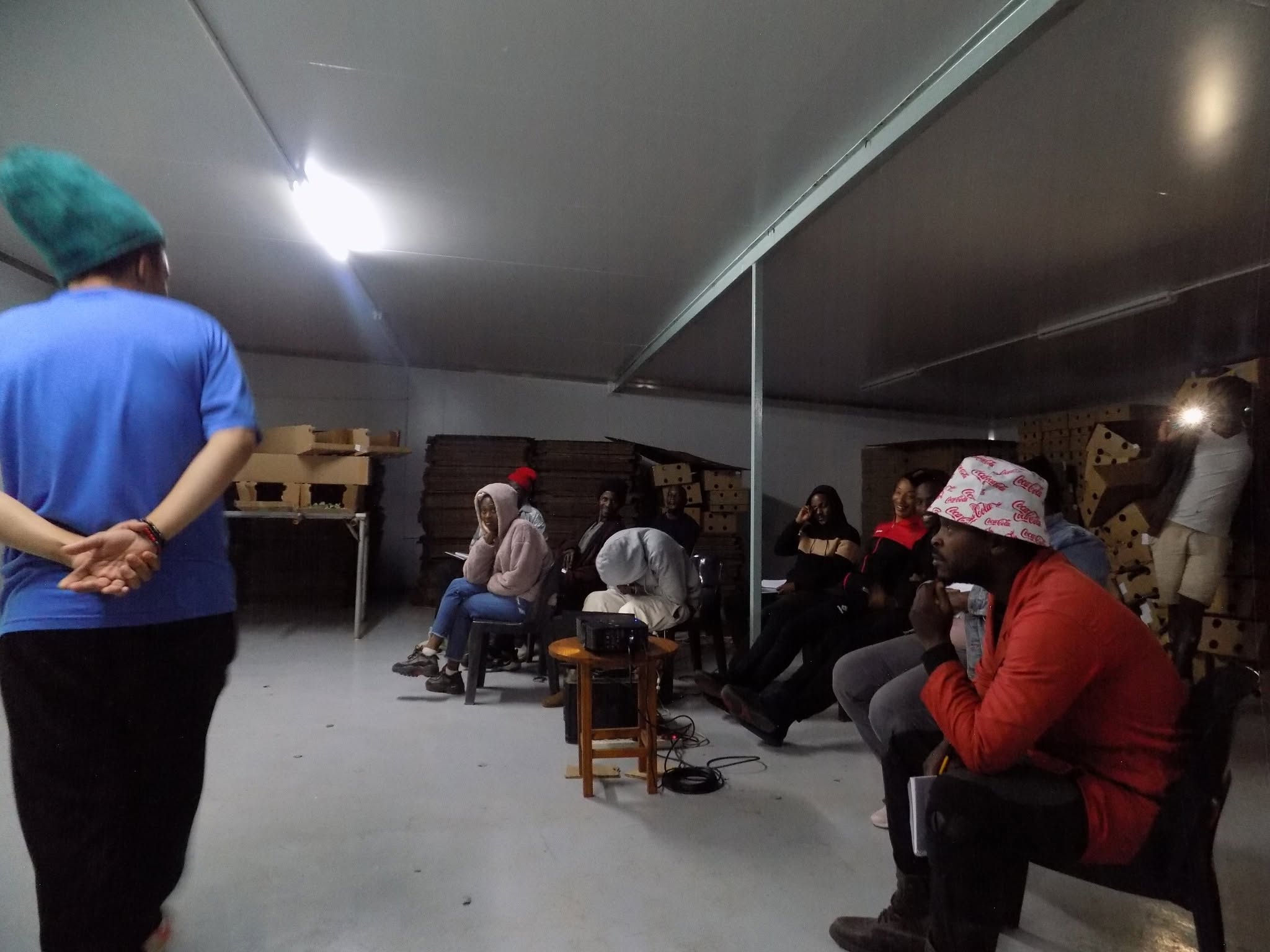
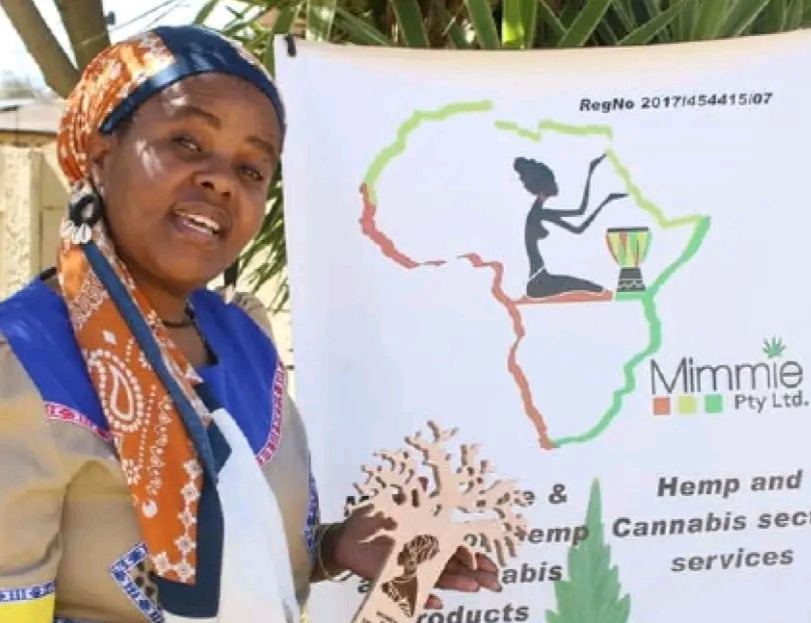
That’s the view of the Free State chair of the Marijuana Board of South Africa (MBOSA), Mimmie Semela (pictured here), who says the ‘disconnect’ is frustrating attempts to get a provincial cannabis economy off the ground.
She told Cannabiz Africa in an interview on 13 October 2026 that indigenous hemp farmers require processing machinery and equipment to transform biomass into value-added products.
She said that all too often, the technical support and assistance farmers and entrepreneurs need is not what government offers or provides and that to address this disconnect, government would need to increase its presence on the ground to more accurately diagnose community realities and requirements.
“They are capable of funding but they do not do the groundwork in terms of visiting the farmers to see what’s viable, and who the grassroots roleplayers are” said Semela. She also said the failure of government-led initiatives to take into account community priorities and realities, hampered SMME development.
She cited the example of an offtake mismatch in her locality – farmers who had invested heavily in CBD oil processing were referred to en-masse to a fibre off-taker.
“They are focusing more on one company that should get all the off take….They want to channel all the farmers to do one thing when we already have an existing market for CBD oils.”
Semela says that MBOSA, which has been running provincial information workshops in QwaQwa and Warden with the support of those municipaties, has identified three critical areas where government could provide support for the 1 000 or so cannabis and hemp farmers in the Free State.
- Recognize that adding value to biomass was core to developing a cannabis economy;
- Provide funding and technical support to create the necessary processing infrastructure, and
- Supply farmers with secure offtake agreements for their harvests;
“The biggest challenge is obviously the off take agreements that are lacking. Secondly, we prefer to add value on our produce instead of selling the raw materials. If we’re growing hemp for fibre we should sell the actual fibre that can allow us to make fabrics and textiles instead of just focusing on getting off take agreement. The hemp biomass is very cheap. Government must invest in more in equipment and machinery,” Semela said
She said another issue concerning farmers was the shortage of commercially viable fibre hemp seed and the THC restrictions on hemp. She said that a Chinese supplier had provided low-THC hemp seeds previously for Free State farmers but that these had resulted in crops with 3% THC, higher than the regulatory 2% limit as specified in the Plant Improvement Act.
Semela says the THC limit in hemp is unnecessarily restrictive and that the Free State has traditionally grown high THC cannabis which could also be used for industrial purposes.
Semela earlier this year secured support from the Department of Small Business Development to turn her Edenberg farm into a cannabis and hemp agro-processing hub.
#