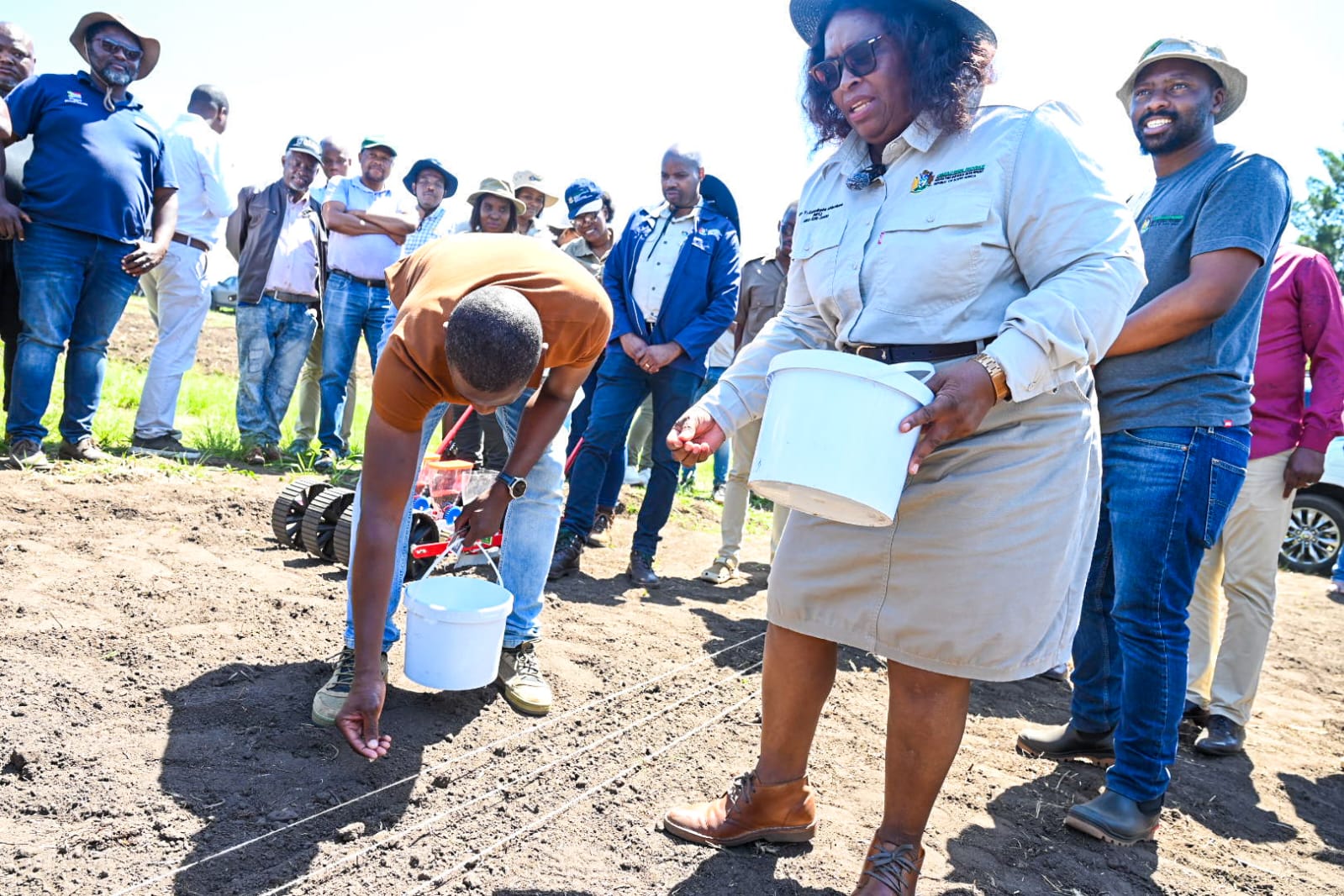
The Department of Trade Industry and Competition (DTIC) cheerfully describes the National Cannabis and Hemp Master Plan’s Steering Committee meeting on 2 October 2026 as “another step forward” in its “drive to build a competitive industry”.

However, the dismal reality is that the cannabis reform process has collapsed and that the DTIC is back at square one in creating a coherent cannabis framework for the country. The commercialization policy the Department promised to put to Cabinet in April this year, is still nowhere to be found.
The meeting comes in the wake of a two day indaba of all government departments involved in cannabis reform which was held in Pretoria a month ago on the orders of the Western Cape High Court.
The Court had instructed eight state departments cited as respondent’s in the urgent court application to halt cannabis arrests bought about by Gareth Prince and others, to come up with a coherent government approach to cannabis reform as part of a mediation process. The Prince application challenges fundamental precepts behind the Cannabis Act and the Plant Improvement Act, to which the state has yet to respond.
There has been no word from the DTIC on the mediation meeting and Cannabiz Africa understands that state lawyers have pleaded for an extension of their deadine to respond to Prince’s application. The DTIC has also not yet revealed who it is appointing as the new project manager for teh Master Plan to replace John Jeffery who resigned at the end of August 2026.
The DTIC remains silent on key issues affecting the cannabis sector. It has also not released any statement following the 2 October meeting, which was to “assess progress in commercialising the sector, identify practical measures to expand inclusive participation, and strengthen implementation of the Hemp and Cannabis Master Plan across the value chain.
“With a target of 10% annual industry growth, discussions will focus on strengthening local demand, manufacturing, market access and export opportunities. The ongoing review of the Hemp and Cannabis Master Plan also provides an opportunity to unlock the sector’s broader industrialisation potential” says the DTIC.
The DTIC makes no mention of how it intends to manage the runaway ‘Grey Zone’ of retail cannabis. In fact it makes no mention of general adult-use legalization at all, saying “discussions will explore opportunities across the value chain, including cultivation, industrial hemp, medicinal cannabis, cannabidiol (CBD) and wellness products, and hemp-based materials for the built environment”.
The DTIC is silent on where exactly the market will be for the cannabis products it hopes to promote and is focused only on cultivation and processing. It also hints at legacy communities being drawn in to the mainstream without elaborating on the mechanics.
“With planting season already underway and major manufacturers and processors committing to off-take opportunities, the focus is increasingly shifting from potential to production, markets and inclusive growth” says the DTIC.
“These commitments can help create sustainable pathways for indigenous growers to participate in domestic and international markets. From planting to processing, manufacturing and export, building a competitive, inclusive and sustainable South African hemp and cannabis industry.”
The DTIC’s hopes to develop a cannabis commercialization framework are stymied while cannabis remains on the schedule of the Drugs and Drug Trafficking Act.
However, even when this Act is amended, commercialization is still outlawed by the Cannabis for Private Purposes Act, until such time as new legislation is passed.
The DTIC was meant to have presented its cannabis plans to cabinet in April 2026 and thereafter for public comment. But six months later, and five years after the National Cannabis and Hemp Master Plan was initially launched, the Department is still no closer to the implementation of its mandated task.
#