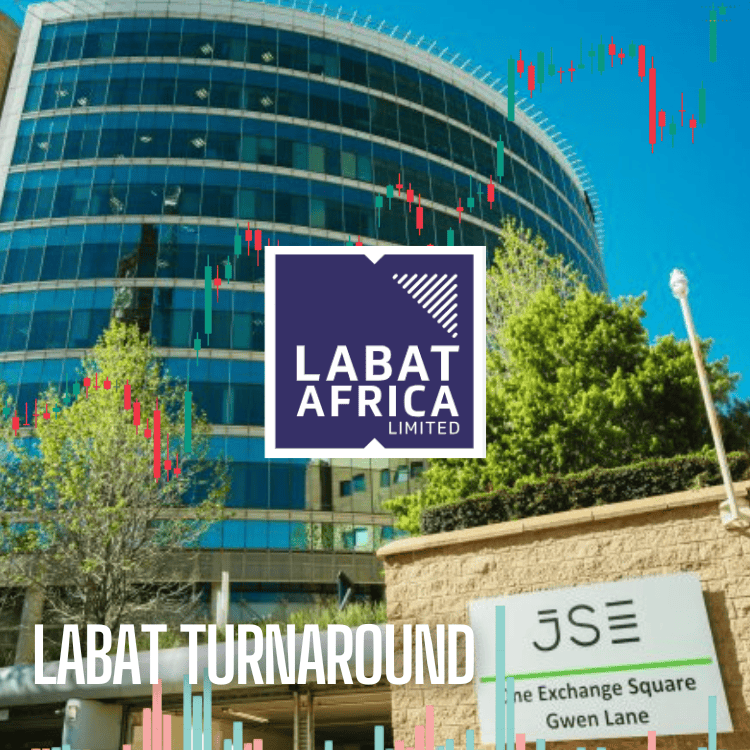
The Gauteng High Court issued a provisional winding up order against Labat on 20 October 2026, setting a return date of 27 March 2027 for argument as to why this should not be made final. Labat responded by saying it would consider its options, but on the face of it this is the end of the road for the group which once promised to be one of Africa’s dominant players in the cannabis market.

Its shares were again suspended from the JSE at the end of August after it failed to submit it latest financial statements and pay out a declared dividend to shareholders because of ‘unforeseen’ capex spend.
The JSE-listed company’s demise at the hands of a long-suffering creditor will surprise few who’ve had dealings with the group. Labat, one of the first-movers in local cannabis, tore through shareholders’ cash in its attempt to establish itself as a market leader. It alienated many suppliers through either late payments for goods or services or no payments at all.
This came to a head over a non-cannabis asset, the now liquidated subsidiary, Force Fuels. This was one of the companies Labat tried to jettison when it switched its focus from fuel and logistics to trying to become the country’s first vertically-integrated cannabis multinational.
Under the leadership of Brian van Rooyen, Labat had grand ambitions: it listed on the Frankfort Stock Exchange, bought a Miami cannabis company, splashed out on Sweetwaters Aquaponics, bought Cape Town based Ace Genetics, and entered into a JV with the CSIR. However, the group’s became known for an arrogant management style with ongoing fall-outs with partners and minority shareholders.
At the end of the day it was probably the regulatory environment that put paid to Labat’s cannabis aspirations. Like many other players it had taken government at its word in 2022 when the President promised to unleash the potential of the plant in uplifting communities and creating jobs, but fell victim to government’s inability to create a legal trading environment.
Labat underwent a pivotal shift in 2025, dispensing of Cannafrica, the retail division of over 70 shops and closing down its flagship cultivation operation, Sweetwater Aquaponics in the Eastern Cape. Although Cannafrica continues to operate under its new owners, which include former Cannafrica director Herschel Maasdorp, questions have been raised about its sustainability given the ongoing regulatory uncertainty plaguing the market. Like all other illegal ‘Grey Zone’ cannabis retail outlets, Cannafrica operates in a high risk environment, maintaining a core base of over 50 stores across the country.
Labat’s switch to becoming a financial services provider initially appeared to have paid off. Its purchase of software and tech services providers Ahnmu and Classic International, resulted in a dramatic increase in turnover, prompting the company to promise a dividend to long-suffering shareholders. However, that never materialized, and it’s now likely that Labat shareholders (approximately 17 000) will not only be denied a dividend, but will probably lose their entire investments.
The ghosts of the past finally caught up with Labat in the form of Hollard Insurance.
News 24 reports that Hollard had supported Labat subsidiary Force Fuels in 2020 when it was put into business rescue as a result of a Covid-induced slump in the fuel market. Hollard paid Engen R20 million on Labat’s behalf backed by a guarantee that it would be repaid. It never was, and took Labat on legally to recover the money. Labat argued that only R4,3 million was covered by the guarantee and the matter went to court in 2024. Labat lost the case and was hit with costs, but took the matter to the Supreme Court of Appeal where it is still pending.
That appeal may be immaterial as Labat is reportedly struggling. It faces a delisting from the JSE if it does not submit its latest financials by the end of October 2026. On paper, Labat is worth R94 million, but in reality, shareholders are likely to take come out with nothing once the group goes into final sequestration.
#