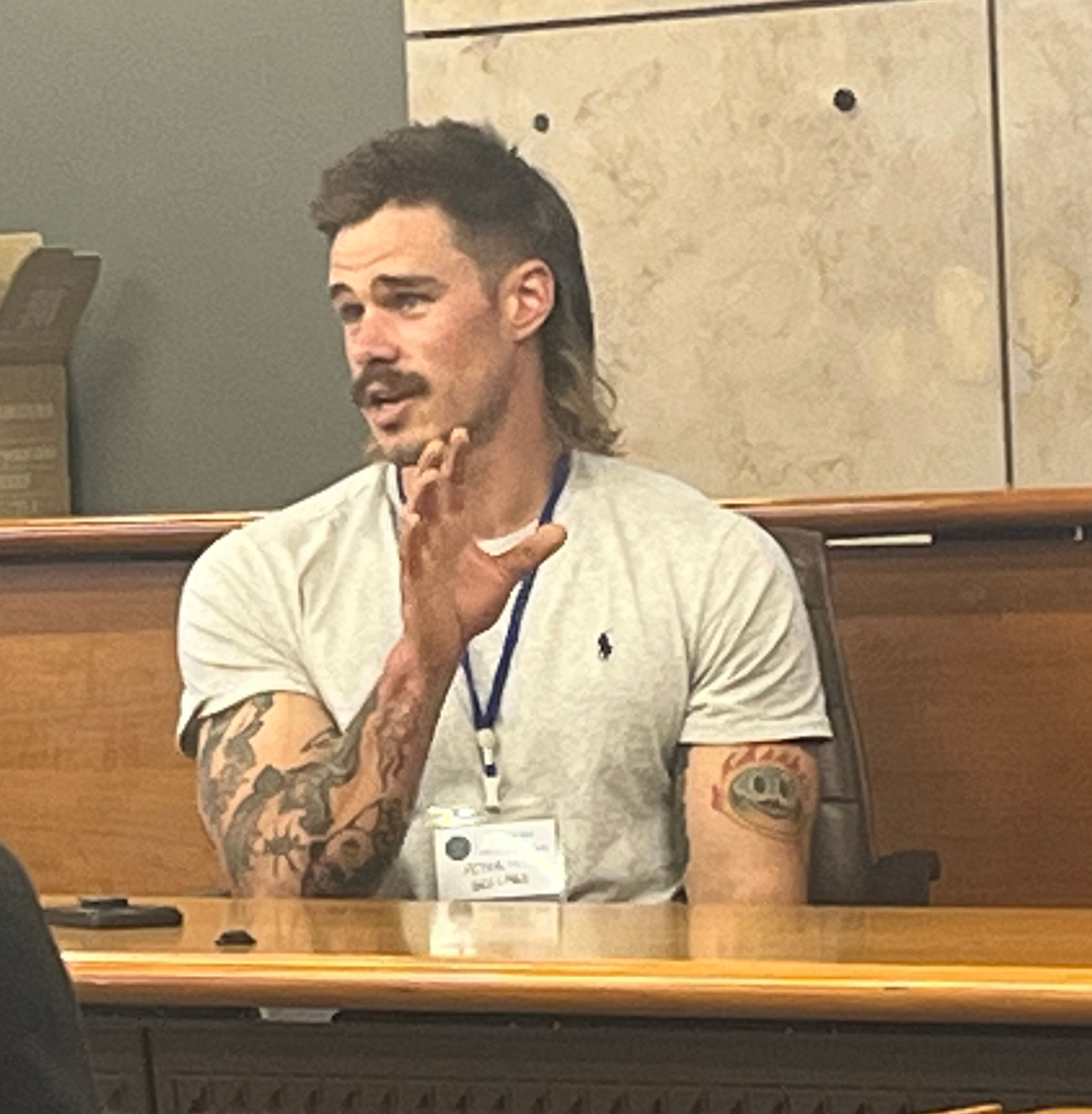
Peter Nel (pictured here) of GES Labs in the Western Cape, says that by some market research estimates, the unregulated cannabis market in South Africa is likely bigger than the regulated medical cannabis markets in Germany, Australia and the UK.
SA Retail Market : US$1,8 billion
Germany Medical Market: US$1,1
Australian Medical Market: US$0,6
UK Medical Market: US$0,4
South Africa could be one of the world’s most important legal markets if regulation were to catch up with reality” says Nel. “We have the lowest cost cultivation model in the world, the constitutional right to consume, the government wants to commercialize and a retail market already exists”.
He adds that South Africa is already an international hub for global unregulated supply chains and that enforcement is aimed at the edges, not the model’ of cannabis retail.
He adds that recent surveys show 3.5 million South Africans use cannabis, about 7.8% of the population, and 2.8% are daily users. This is proportionately much higher than jurisdictions where only medical cannabis is available to consumers.
Writing in a post on Linked-In on 20 October 2026, Nel said that the South African cannabis market is completely unregulated and unenforced, and probably fewer than 0,1% of the population understood those laws that were on the statute books.
He says that every major bank has local cannabis outlets among its business customers dealing with cards, point-of-sale systems, and tax collection such on VAT and PAYE. He said that although there was no rule-book for cannabis shops, the market was already established.
“You can buy your groceries and your cannabis at your national franchise supermarket with unregulated THC, swipe your card, and go home” says Nel.
Working on the conservative assumption that there were 5 000 cannabis shops in the country, these were likely generating more than R30 billion a year, many of whom were paying VAT, PAYE and income tax. This revenue offtake from government could be over double that alone, if the cannabis retail sector was properly regulated, and that tobacco-style excise taxes could bring in even more for the fiscus.
“The real question is that, with the unregulated industry being banked and paying VAT and income tax, the next step is to ask about excise tax” says Nel. “Excise tax could add R4B – R40B as new revenue for the country”.
Nel said the risk profile in South African cannabis production had shifted and that the local market was now perceived as less risky than the export one.
“The international market is where the licenses are” he says, “But South Africa is where the customers are”.
#